Certified Arborist Services: Professional Plant Health Services for Better Landscapes
An certified tree specialist plays a vital role in preserving healthy landscapes. These experts have extensive knowledge in tree biology, offering tailored treatment adapted to individual needs. From precise pruning to pest management, their expertise guarantees trees flourish. Recognizing the significance of tree health assessments is crucial for homeowners. However, the task of choosing the ideal professional and the methods they use can be complicated. What should one think about when seeking expert assistance?
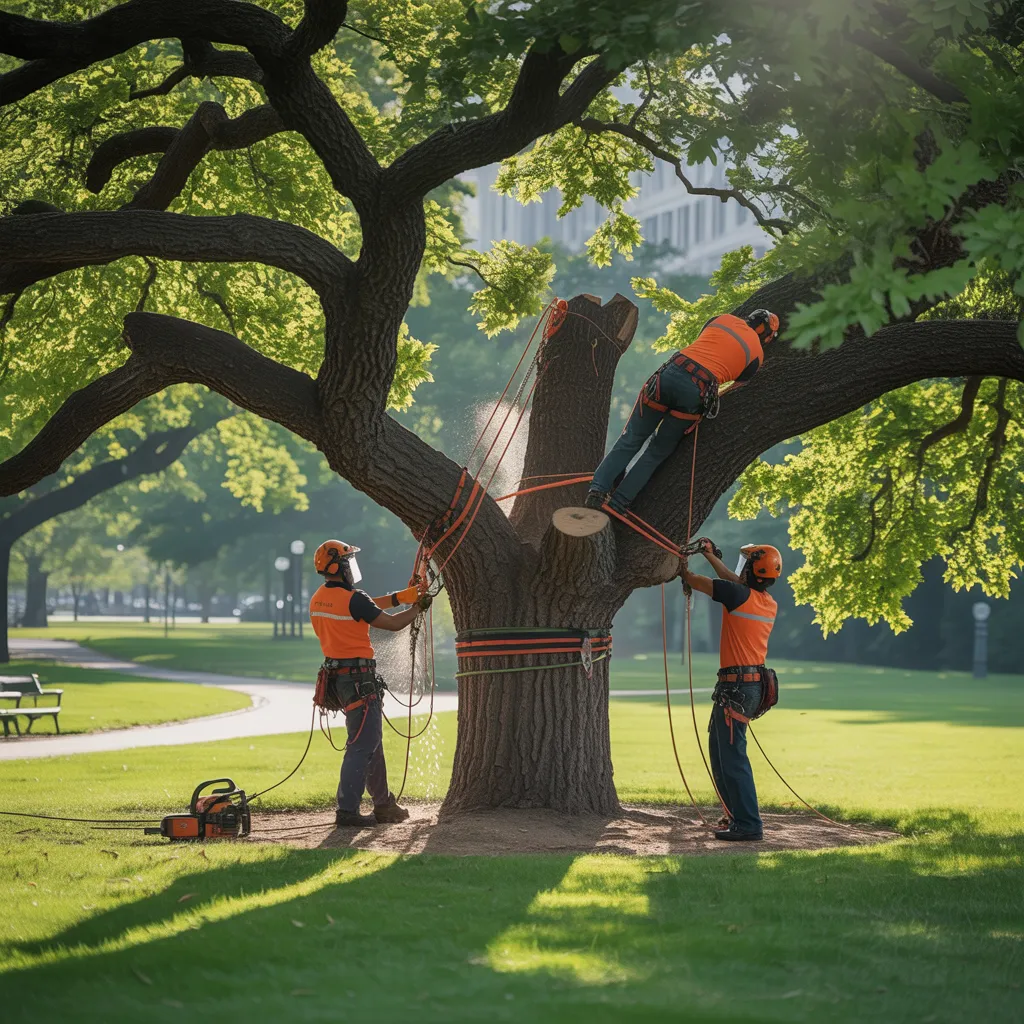
What Is a Certified Arborist and Why Do You Require One?
What characterizes a certified arborist, and why is their expertise vital for tree care? A certified arborist is a specialist who has completed intensive instruction and examination in tree biology, care, and management. They have a deep understanding of tree species, growth patterns, and diseases, enabling them to make informed decisions about tree health and maintenance. Certification from an recognized organization, such as the International Society of Arboriculture, guarantees that these professionals comply to industry standards and best practices.
The requirement for qualified tree specialists stems from the intricacy of arboricultural maintenance. Trees are essential to natural environments, offering advantages such as shelter, shelter for wildlife, and atmospheric purification. Improper care can lead to harm or decline, impacting both the trees and the adjacent landscape. By consulting a certified arborist, individuals and businesses can ensure that their trees receive expert attention, promoting lasting durability and health while reducing hazards linked to arboricultural practices.
Fundamental Solutions Offered by Certified Arborists
Certified arborists deliver a variety of important offerings fundamental for maintaining tree health and safety. Two primary offerings include expert tree pruning techniques, which improve growth and structural soundness, and efficient pest management strategies that safeguard trees from harmful infestations. These offerings are essential for preserving the ecological balance and ensuring the longevity of trees in various landscapes.
Tree Pruning Techniques
Maintaining tree health and aesthetics relies heavily on effective tree pruning techniques. Certified arborists use several methods to assure optimal growth and longevity. Thinning requires selective branch removal to facilitate air flow and light penetration, benefiting overall tree health. Crown reduction cuts back height and spread while preserving tree structure, important for urban environments. Deadwooding, which is removing dead or diseased branches, prevents decay and pest problems. Moreover, shaping promotes a natural form, enhancing visual appeal. Each technique demands an understanding of tree biology and growth patterns, confirming that pruning helps rather than harms the tree. These expert methods significantly contribute to healthier landscapes and the longevity of trees therein.
Strategic Pest Management Solutions
Pest management frameworks are vital for maintaining the soundness of trees and landscapes. Certified arborists leverage a variety of methods to identify, check, and control pest populations competently. These frameworks often start with a rigorous assessment of the environment, enabling arborists to confirm the presence of noxious pests and assess tree health. Integrated Pest Management (IPM) is a prevalent approach, uniting biological, cultural, and chemical methods to curtail damage while bolstering ecological balance. Additionally, arborists apprise property owners on preventative measures, such as proper watering, mulching, and tree selection. Regular monitoring and early intervention are critical components, ensuring that pest issues are addressed before they escalate. This strategic management fosters healthier trees and contributes to vibrant landscapes.
Why Do Tree Health Evaluations Matter?
Although many homeowners appreciate the aesthetic and environmental benefits of trees, understanding the importance of tree health assessments is essential for maintaining their vigor. Tree health assessments provide a comprehensive evaluation of a tree's condition, detecting potential risks and underlying issues that may not be immediately visible. These assessments allow arborists to detect conditions, pest infestations, and structural weaknesses early, facilitating timely intervention.
Consistent evaluations can also inform correct care approaches, ensuring that trees receive suitable nourishment, water, and pruning. In addition, vigorous trees contribute to improved air quality, boosted property value, and expanded biodiversity. By emphasizing tree health inspections, homeowners can reach well-informed decisions that foster the longevity and resilience of their landscapes. In the end, these proactive measures not only protect individual trees but also strengthen the overall health of the ecosystem, benefiting both the property and the community at large.
Determining the Best Arborist That Works for You
When picking an arborist, homeowners must take into account various factors to ensure they receive premium tree care solutions. First, confirming credentials is crucial; certified arborists possess the preparation and skill essential for successful tree management. Homeowners should also examine the arborist's track record and area of expertise, especially in areas relevant to their specific trees and landscape.
Moreover, obtaining recommendations and client reviews can provide clarity into the arborist's track record and dependability. Openness in pricing and services offered is important; a reputable arborist will provide straightforward quotes and communicate essential care options.
An important consideration is the tools and methods applied, since modern tools and practices can considerably impact tree health. In conclusion, reviewing the arborist's communication abilities can ensure that homeowners remain informed and assured during the undertaking. When considering these aspects, homeowners can reach informed choices that generate more vibrant trees and grounds.
Pruning Methods From Professional Arborists
Pruning is essential for preserving the appearance and vitality of trees. Professional tree specialists employ diverse techniques to guarantee effective pruning, which encourages growth and prevents disease. Understanding these methods can help homeowners appreciate the importance of expert arboricultural services.
Importance Of Pruning
Successful tree care depends on the expert application of pruning techniques, as qualified arborists understand the key importance this approach has in maintaining tree health. Trimming not only improves the visual appeal of trees but also promotes healthier growth by letting sunlight and air to penetrate the canopy. It eliminates dead or diseased branches, preventing the spread of pests and diseases, which can threaten the overall health of the tree. Additionally, strategic trimming strengthens structural integrity, reducing the risk of branch failure during storms. By developing better shape and balance, arborists assure trees can thrive in their environment, ultimately contributing to a healthier landscape. Therefore, the importance of pruning must not be go to article overlooked in any thorough tree care program.
Techniques For Efficient Pruning
Mastering pruning techniques is vital for certified arborists aiming to optimize tree health and aesthetics. Among the most efficient methods is the thinning cut, which removes select branches to enhance light penetration and air circulation. The reduction heading, on the other hand, encourages new growth by reducing the height of a tree. Additionally, the reduction cut reduces tree size while maintaining its shape and structure. Arborists highlight the value of timing, advocating for pruning during dormancy to lessen stress on the tree. Proper tools, such as sharp shears and saws, ensure clean cuts, reducing the risk of disease. Ultimately, applying these techniques fosters robust tree development and strengthens the overall landscape.
All-Season Tree Care From Certified Arborists
Year-round steady tree care is imperative for maintaining the health and stamina of trees. Certified arborists play a crucial role in this continuous process, offering bespoke services suited to the particular needs of trees through various seasons. In springtime, they check tree growth and apply fertilization methods to enhance vitality. During the summer months, arborists watch for pests and diseases, providing timely interventions to limit risks. As autumn nears, their attention turns to pruning dead or diseased branches to improve air circulation and light penetration. Winter involves inspections to equip trees for challenging conditions ahead, with a focus on structural integrity. Throughout the year, certified arborists offer valuable advice on watering, mulching, and other care strategies, encouraging a holistic approach to tree health. This thorough care guarantees that trees flourish, enhancing the overall aesthetics and resilience of landscapes.
Long-Term Gains of Professional Tree Services
Professional tree care brings substantial long-term advantages that exceed immediate decorative improvements. Engaging professional arborists guarantees that trees receive expert assessments, appropriate pruning, and health supervision, which contribute to their vitality and longevity. Healthy trees not only increase property value but also boost air quality and supply shade, reducing energy costs.
Investing in skilled expertise reduces the dangers associated with pest infestations and diseases, ultimately decreasing maintenance costs over time. Moreover, carefully maintained trees are less likely to suffer from storm damage, protecting both property and surrounding landscapes.
In metropolitan areas, trees facilitate biodiversity and furnish habitats for wildlife. By building a thriving ecosystem, professional tree care supports environmental sustainability. Overall, the long-term benefits of expert tree management are multifaceted, enriching both personal spaces and the broader community, making it a good decision for property owners.
Often Raised Questions
How Much Do Professional Tree Care Specialist Services Typically Expense?
Certified arborist offerings generally range from $75 to $1,500, contingent on considerations like tree size, service type, and location. Homeowners should gather multiple quotes to guarantee fair rates for vital tree care.
Do Professional Tree Specialists Insured and Legally Authorized?
Licensed arborists are generally required to be both duly licensed and fully insured. This assures that they maintain compliance with industry standards and regulations, offering clients with confidence and security regarding the quality and safety of their services.
What Requirements Do Certified Arborists Hold?
Certified arborists generally earn a diploma in forestry, horticulture, or a related field. They must pass an examination and maintain continuing education, verifying they retain up-to-date knowledge and skills in tree preservation.
How often Should Trees Be reviewed by an Arborist?
Trees should be assessed by an arborist every three to five years, or more often if indicators of deterioration, illness, or harm emerge. Regular evaluations ensure optimal health and safety within the outdoor setting.
Can Professional Tree Specialists Assist With Pest Management?
Certified arborists can indeed help with pest management. They evaluate tree condition, recognize pest issues, and suggest appropriate solutions, ensuring trees remain healthy and resilient against infestations while encouraging overall landscape strength and sustainability.